Mala Gazetted Officers Association of Andhra Pradesh
Unity. Dignity. Equity
Founded on the constitutional ideals of Dr. B.R. Ambedkar. An inclusive hub for Government Officers, MPs, MLAs, Academicians, Government Consultants, Senior Contract Officials and associated professionals of Andhra's 2nd largest community.
Founded 7 June 2025
Born of principle, in Amaravati
2500+ Officials Registered
United in community
Reg. No. 185/2025
A formally registered body
Our Purpose
A Collective Strategic Voice
A collective strategic voice for Mala Governmental Officials and Public Representatives - uniting administrative service, legislative leadership, academic scholarship and senior professional expertise into a single institutional platform of the Mala (SC & BC-C) community of Andhra Pradesh
Prominent Mala Leaders
Voices That Shaped the People
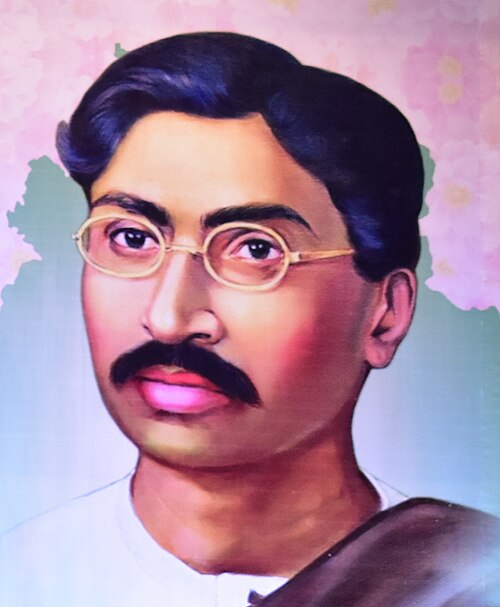
Bhagya Reddy Varma
Dalit Reformer
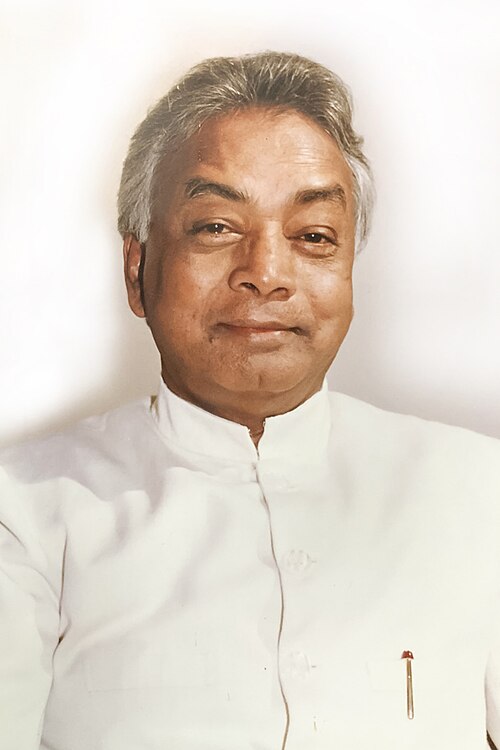
G. Venkat Swamy "Kaka"
MP & Union Minister
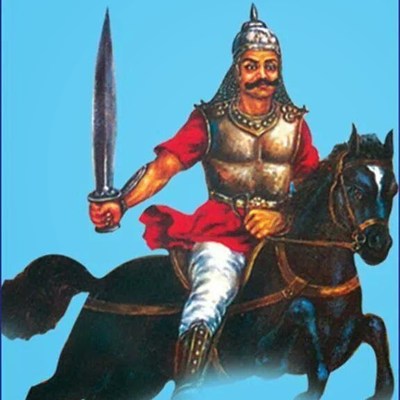
Mala Kannamadasu
Warrior - 12th Century
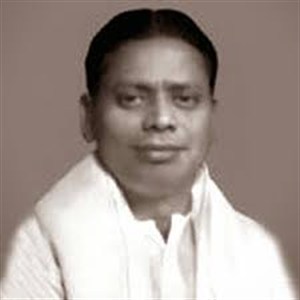
Damodaram Sanjivayya
First Dalit CM of AP
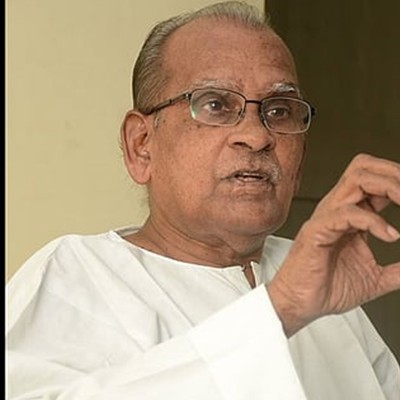
Bojja Tharakam
Poet & Rights Advocate
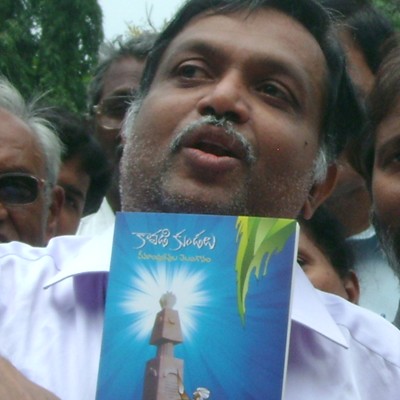
Katti Padma Rao
Dalit Scholar & Activist
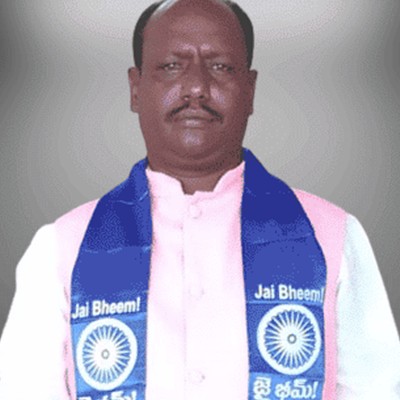
K. C. Chennaiah
President, Mala Mahanadu
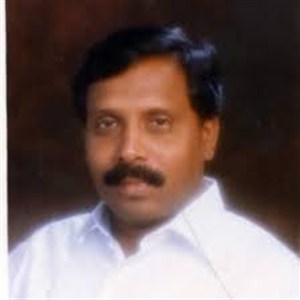
P. V. Rao
Founder, Mala Mahanadu
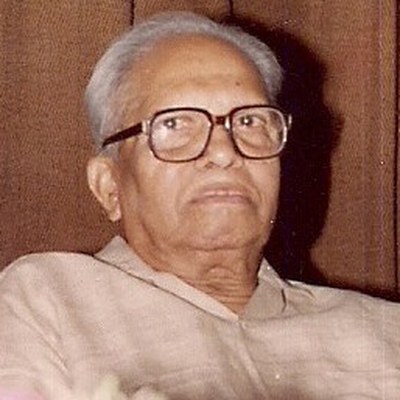
Dr. Boyi Bhimanna
Poet
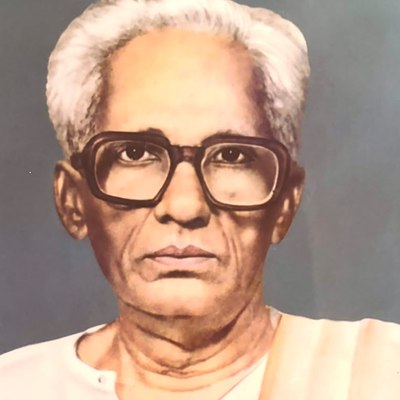
Konada Surya Prakasa Rao
Freedom Fighter & Labour Leader
Community Video
Our Story in Motion
Community Heritage
People
of the Deccan
The Mala are a major Telugu-speaking community of the Deccan - the people whose journey runs from pre-modern warrior and tribal identities, through centuries of agrarian struggle, into a defining role in modern Dalit politics and the reservations movement
0%
of the Scheduled Caste population
of current Andhra Pradesh (2011 census)
2nd
largest community
in present-day Andhra Pradesh
0+
years of layered history
from pre-modern to current day
Geography
Where the Community Lives
For all its national story, the Mala community is overwhelmingly rooted in the southeast of India - across the Telugu-speaking regions of Andhra Pradesh, with the densest settlement along the fertile coastal belt
Real district boundaries of Andhra Pradesh, shaded by region to show where the Mala community concentrates: deepest in Coastal Andhra, high in north-coastal Uttarandhra, lighter across the Rayalaseema interior (where Madigas predominate). Regional shading reflects Scheduled-Caste census patterns (2011) - indicative, not a per-district survey.
A Coastal Heartland
The community's centre of gravity lies on the eastern seaboard. Early mission schools and the fertile Krishna-Godavari delta gave coastal Mala families comparatively earlier access to education and the professions - a head start whose legacy runs through MALGOA today.
- Coastal Andhra - highest density (Krishna, Godavari, Guntur, Prakasam, Nellore)
- Uttarandhra - high (Srikakulam, Vizianagaram, Visakhapatnam)
- Rayalaseema - lower presence (Madiga-predominant interior)
In the 2011 census of Andhra Pradesh, Malas were 45% of the SC population - the single largest bloc, with the densest concentrations along the Krishna-Godavari delta and the Uttarandhra coast
Origins
Origins of the People
Colonial ethnographers and later scholars described the Malas as the largest section of "untouchables" in the Telugu country of the old Madras Presidency, with a dense presence in rural Andhra regions
There are multiple explanations of origin within scholarship and community memory. Some narratives trace the Malas (often linked with Mahars) to warrior groups or ruling clans of the Deccan who lost power and were pushed down in ritual status after military defeat or political change
Other accounts tie their marginalisation to crises such as the 12-year drought and famine around 1396, suggesting that famine-driven practices like eating dead cattle were later stigmatised and used to mark them as "untouchable"
A different line of argument views the early Malas as an extensive pre-agricultural or primitive-agricultural hunting-and-gathering population across the Deccan, gradually incorporated into agrarian society as landless labourers when forests shrank and agriculture spread. Over time, these original groups absorbed diverse elements - defeated soldiers, immigrant nomadic horsemen like Sakas and Ahirs, and excommunicated people - who sought refuge and were admitted into the Mala fold
Layered Identity
A community identity formed across centuries - through warrior origins, agrarian incorporation, and modern citizenship
Historical Arc
A Millennium in Motion
From the Battle of Palnadu to the Supreme Court verdict of 2024 - a chronology of resistance, reform, and rising
12th Century
Battle of Palnadu
Mala Kannamadasu - a Mala warrior under the patronage of Brahmanaidu - fights and dies at the Battle of Palnadu. Part historical, part legendary, he endures as a symbol of courage and a non-subordinate Mala past in community song and memory
A devastating 12-year drought and famine across the Deccan. Famine-driven survival practices are later stigmatised and weaponised by upper castes to mark Malas as ritually "untouchable" - a turning point that compounded centuries of structural exclusion
1396
The Great Drought
1888
Bhagya Reddy Varma
Birth of Bhagya Reddy Varma (1888-1939), pioneering Dalit reformer who would mobilise Malas and Madigas against untouchability - opening schools and hostels for Dalit children and connecting Telugu Dalit struggle to wider anti-caste currents
The Adi-Andhra movement gathers force. Mala activists organise as teachers and local leaders, encouraging Dalits to register under new caste names and reject degrading practices. The foundations of modern Dalit political mobilisation are laid
1930s
Adi-Andhra Movement
1947
Constitutional Recognition
Independence brings Scheduled Caste status to the Malas of Andhra Pradesh and Telangana, with constitutional access to reservations in education, public employment, and legislatures - opening new pathways even as structural barriers persist
Mala Mahanadu emerges as the major organisation representing Mala interests, particularly around SC reservation distribution. Through leaders like G. Chennaiah and others, the community asserts itself in Andhra-Telangana Dalit politics through rallies, legal interventions, and policy negotiations
1990s
Mala Mahanadu
2001
Demographic Weight Confirmed
Census records confirm Malas as 41.6% of the SC population of undivided Andhra Pradesh - the single largest SC bloc, with significant demographic and electoral weight in regional politics
The Supreme Court of India delivers a verdict on sub-classification of Scheduled Castes. In its wake, latent discrimination against Mala officers surfaces openly in professional forums across Andhra Pradesh - setting in motion the formation of MALGOA
2024
Apex Court Verdict
2025
MALGOA Founded
On 7 June 2025 in Amaravati, the Mala Gazetted Officers Association is founded - registered under Reg. No. 185/2025 - a new institutional vehicle for the next chapter of the community through a government platform
Faith & Ritual
Religious & Cultural Life
Hindu Tradition
Most Malas are Hindus, worshipping family deities such as Yellamma and honouring ancestral spirits. Urkondi Irrana in Andhra Pradesh remains a key sacred centre for the community
Christian Heritage
Significant Christian segments, especially in the Krishna-Godavari belt, trace their identity to mission-era schools and theology. Christian Malas helped build a culture of education that became a ladder into the professions
Ritual & Song
Mala Dassari and Mala Jangam - specialist ritualists - perform funerary rites and sing Pogatha, songs in praise of the departed. Folk drumming and devotional music shape the community's public life
Public Assertion
Ambedkar Jayanti and other regional celebrations have become central stages for Mala pride and Dalit assertion - where memory, music, and political identity are publicly performed
Occupational Journey
From Labour to Leadership
A community that moved - and continues moving - from agrarian dependence into the full spectrum of modern professional life
Then
Agrarian Foundations
- Agricultural labour on landowner fields
- Cotton and silk weaving
- Village ritual service & drumming
- Sub-occupations: Charu, Reddi, Parayan, Bandari, Dasu
Now
Diversified Professions
- MLAs, MPs, academicians, advisors
- Government officers, teachers, doctors, engineers
- Defence services, police, administrative roles
- Banking, IT, hospitals, corporate & consulting
An Honest Acknowledgement
Despite genuine progress, a majority of Malas in rural Andhra and Telangana remain in low-paying manual work. First-generation graduates often cluster in lower-tier roles rather than the most lucrative professions. Mala women, in particular, remain over-represented in agricultural and domestic labour and under-represented in higher administrative ranks. Partial mobility layered over continued structural disadvantage - this is the unfinished work that MALGOA exists to address
A Life in Focus
From the Fields to the Front Line
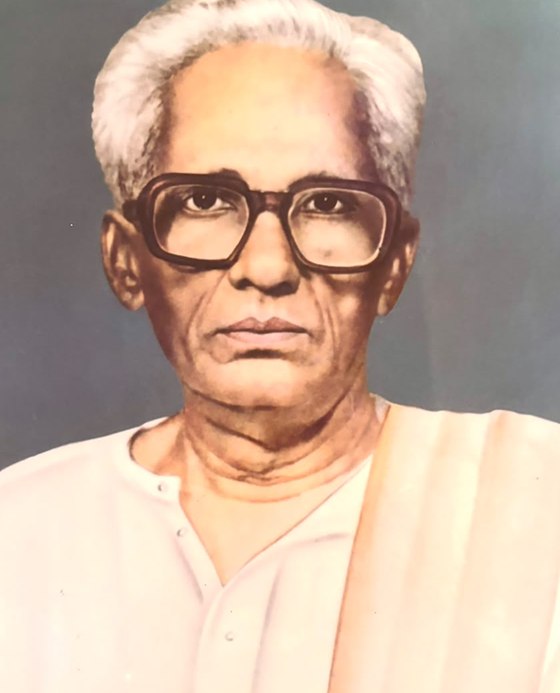 Freedom Fighter · 1910–1999
Konada Surya Prakasa Rao "Sthithaprajna"
The Serene One · 15 Feb 1910 – 1 Feb 1999
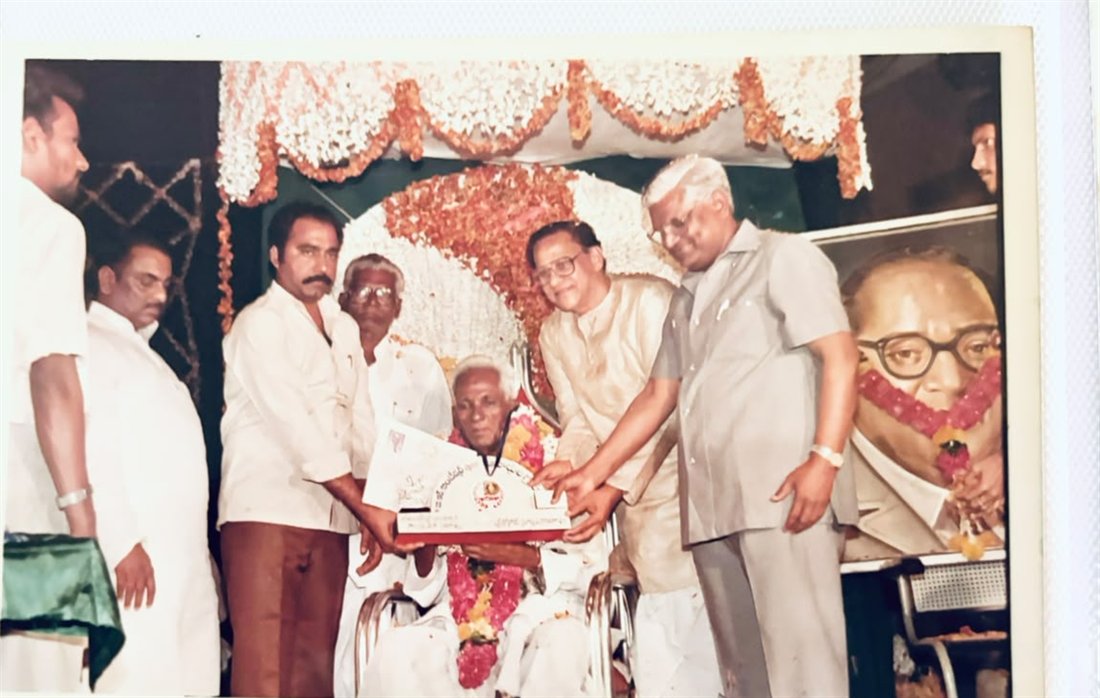
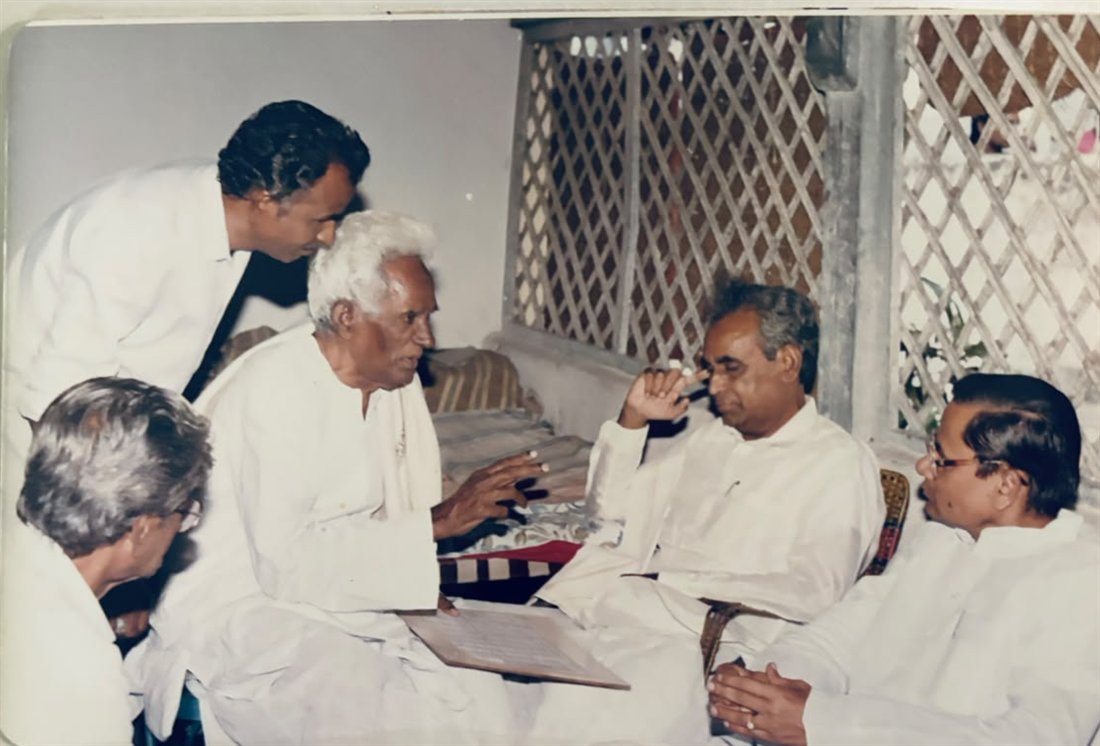
Born into a Dalit agricultural-labour family in Peda Palaparru, Gudivada (Krishna district), Konada Surya Prakasa Rao rose through education to become one of the coastal Mala community's most determined organisers - opening the doors of learning to those denied it, and carrying the struggle of landless labourers into the heart of the Ambedkarite movement.
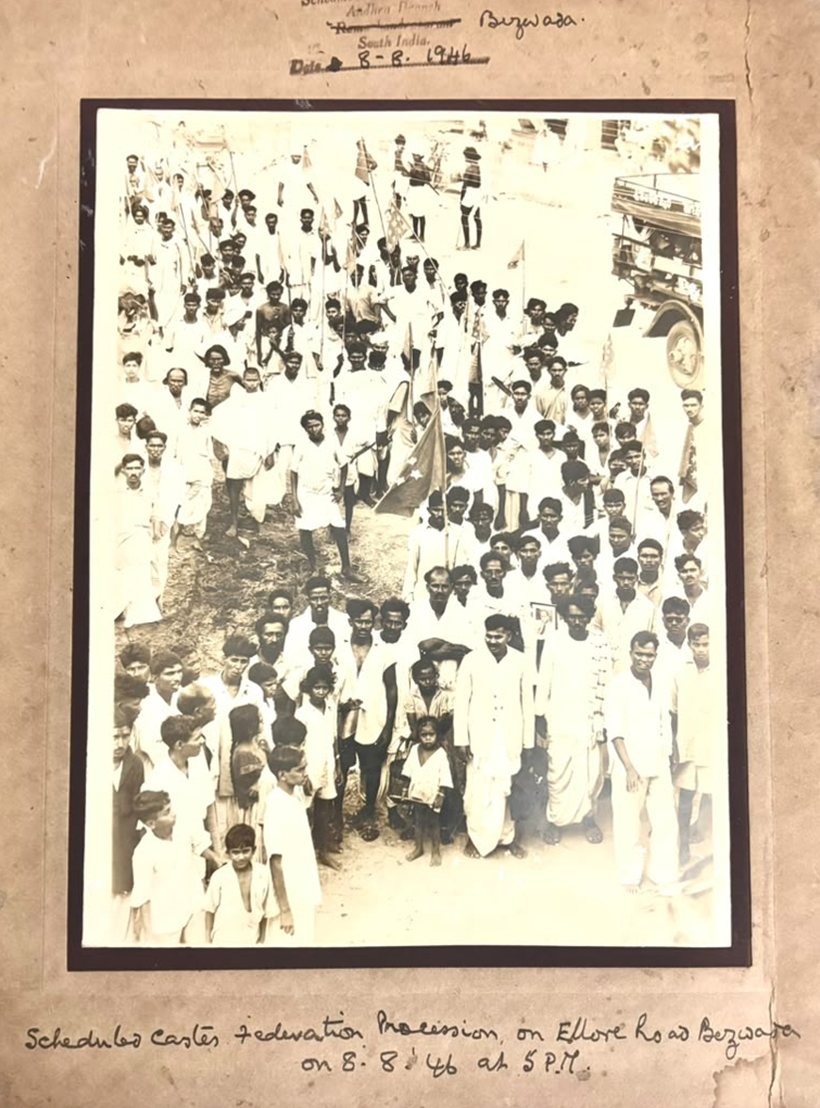
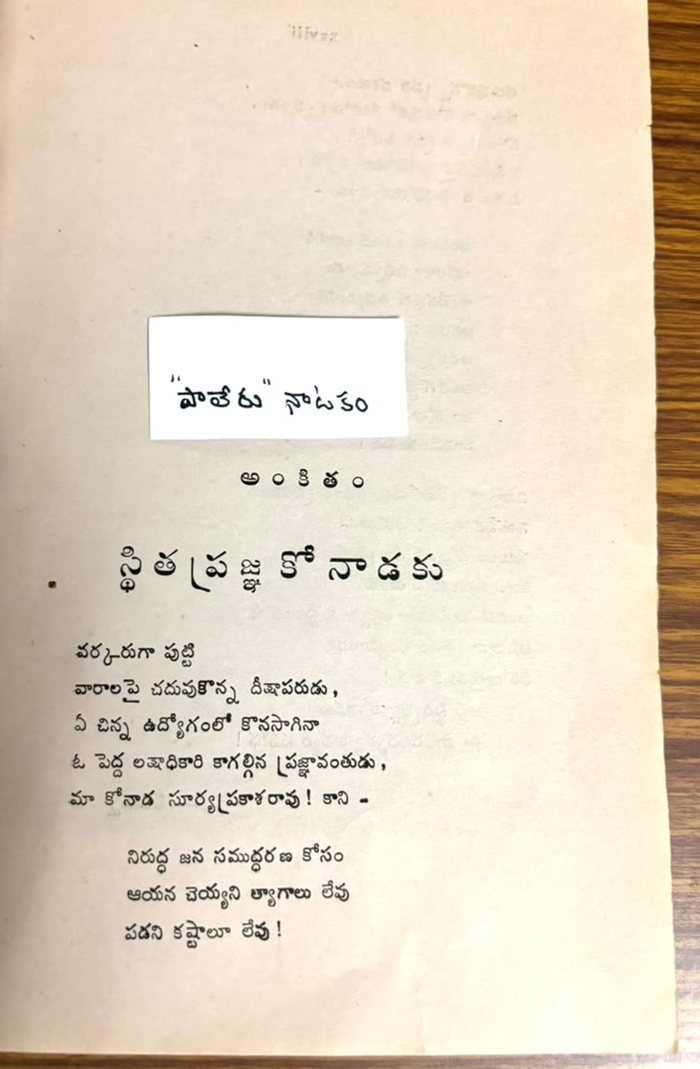
He led the Krishna District Agricultural Labourers' Union, joined Dr. Ambedkar's Scheduled Castes Federation, and marched at the head of its historic 1946 procession in Vijayawada. The poet Boyi Bhimanna immortalised him by dedicating his play Haaleru to "Sthithaprajna Konada."
Bhagya Reddy Varma
1888 - 1939
Pioneering Dalit reformer of the Adi-Andhra movement who organised conferences, opened schools and hostels, and articulated a new self-respect-based identity for Malas and other Dalits
G. Venkat Swamy "Kaka"
1929 - 2014
Senior Congress leader from Telangana, multi-term MP and Union minister - one of the most prominent Dalit voices from the Mala community at the national level, consistently raising Dalit welfare and reservations
Mala Kannamadasu
12th Century - Legendary
Mala warrior who fought and died at the Battle of Palnadu under Brahmanaidu. Part historical, part legendary - he endures in song and memory as a symbol of courage and a non-subordinate Mala past
G. Chennaiah
National President, Mala Mahanadu
A defining voice in Andhra-Telangana Dalit politics since the 1990s, organising rallies, legal interventions and policy negotiations around SC reservations and sub-categorisation debates
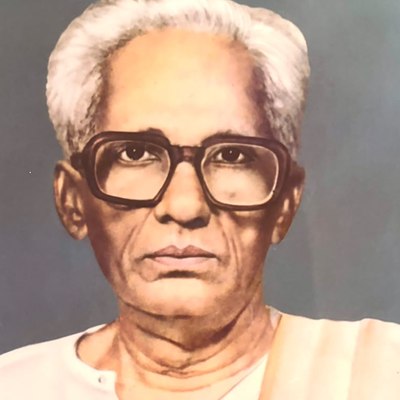
Konada Surya Prakasa Rao "Sthithaprajna"
1910 - 1999
Freedom fighter and Dalit labour leader from Gudivada (Krishna district). He ran a free hostel for Harijan students at P.R. College, Kakinada, led the Krishna District Agricultural Labourers' Union (1941), and joined Dr. Ambedkar's Scheduled Castes Federation (1944) - leading its historic 1946 march in Vijayawada. Poet Boyi Bhimanna dedicated his play "Haaleru" to him
From this long arc of struggle and self-assertion arises the most recent institutional response - born of a flashpoint in January 2025
The Historical Record
Heritage & Origin
Every movement carries a memory of the moment it became necessary. Ours is not a story of ambition, but of dignity withdrawn and dignity reclaimed - the lived experience of officers who gave decades of faithful service, only to find that the fellowship they trusted had quietly drawn a line through their names
What follows is the record exactly as it was felt and set down by those who lived it. We preserve their words, unaltered, because the truth of how it happened matters more than any retelling could
Chapter One
The Catalyst
For decades there had been no difference - only shared work, shared struggle, and a shared faith in one another. Then a single judgement gave a name to a discrimination that had been waiting, unspoken, beneath the surface. What had bound a community together was suddenly used to set it apart
"In the state of Andhra Pradesh after general elections during May, 2024 the new Government was formed with TDP and its alliance of parties. When the governance of Andhra Pradesh was going with normal standards, the Honourable Apex Court of India delivered the verdict on classification of SC castes in the month of August, 2024."
"This discovered the hidden agenda of our brethren all these decades, as all of us have gathered and proceeded all these decades together without having any sort of difference. Having boosted with the judgement, the thought of discrimination has been uncovered and started humiliating the Mala officers even in open forums."

Chapter Two
The Flashpoint in Visakhapatnam
There is a particular kind of pain in being humiliated in the very room meant to honour your service. On a routine day, in an open forum, that pain became impossible to ignore - and out of it came not bitterness, but resolve. A handful of officers chose to turn injury into organisation, and a quiet decision in a Joint Director's chamber became the seed of everything that followed
"An event, in routine manner, was to be conducted to inaugurate Dairy of SC/ST Gazetted Officers on 24.01.2025 at Visakhapatnam. During the meeting, a lot of humiliation was shown by discriminating the Officers belonging to MALA Caste only."
"This indecent incident was noticed and discussed with Dr. Y. Praveen Kumar, DMHO (Retired) former President and one of the founders of SC/ST Gazetted Officers Association, Kurnool. During the discussions, an idea has been proposed by Sri Polakati Ramakrishna, DAO(W) to form a separate group with MALA Gazetted Officers to avoid humiliation, disrespect etc."
"Since the intention of idea was good for the MALA Caste, the other delegates including Sri B. Rathna Prasad, AE and Sri H.D. Eranna, Dy.EE. have immediately gathered in the chambers of Smt. Nirmala, Joint Director, Treasury Department. After deliberate discussions with regard to humiliation, discrimination etc., an unanimous decision was taken to form a Group with only MALA GAZETTED OFFICERS."

Chapter Three
The Ideological Foundation
A movement built on grievance alone burns out. To endure, it had to be anchored in something larger than the wound that started it. The officers turned to the conscience that has guided generations before them - not as a slogan, but as a working philosophy for how a just society should be ordered
"Our God Dr. B.R. Ambedkar has mentioned in 'Buddha and Karl Marx,' 1956: 'An ideology is a system of ideas concerning life and society. It is the sum total of one's social philosophy.'"
"Since Dr. B.R. Ambedkar saw ideology as not just a set of abstract beliefs, but as a practical guide for organizing society, rooted in morality, equality, and reason."

Chapter Four
The Imperative Need
Conviction without action is only sentiment. Having named the wrong and grounded itself in principle, the State Body refused to let the moment pass into quiet endurance. The decision was unambiguous: not to merely survive, but to rebuild - to realise what was lost and re-innovate what comes next
"Keeping the above in view, trusting the value of democracy (collective responsibility) and with due respect to follow the footprints or OUR GOD Dr. BR Ambedkar, the issues concerning the MALA Caste officers across the state that have been brought to the notice of the STATE BODY have been discussed by the State Body of MALGOA..."
"...it was felt that there IS AN IMPERATIVE NEED TO REALIZE, RENOVATE, REVAMP AND REFURBISH."

Realise and Re-innovate - the strategic mandate born of that imperative
The Architect of the Constitution
Dr. B.R. Ambedkar
Bharat Ratna Dr. Bhimrao Ramji Ambedkar (1891-1956) - jurist, economist, social reformer, and the principal architect of the Constitution of India. Affectionately known as Babasaheb.
Born
14 April 1891 - Mhow, Central Provinces (now Madhya Pradesh)
Passed Away
6 December 1956 - New Delhi
Education
Columbia University - London School of Economics - Gray's Inn
Honour
Bharat Ratna (awarded posthumously, 1990)
Born into the Mahar community and made to feel the daily indignities of untouchability, Dr. Ambedkar rose to become one of the most learned figures of his age and the foremost champion of social justice in modern India
Early Life & Education
From Exclusion to Excellence
Bhimrao was the fourteenth and last child of Ramji Maloji Sakpal, a subedar in the British Indian Army, and Bhimabai. Despite the barriers placed before children of his community, he excelled academically - studying at Elphinstone College in Bombay, then earning postgraduate degrees from Columbia University in New York and a doctorate in economics, alongside study at the London School of Economics and qualification as a barrister at Gray's Inn, London
The Reformer
The Fight Against Caste
Through the 1920s and 1930s, Dr. Ambedkar led landmark movements for the dignity of the oppressed - the Mahad Satyagraha of 1927 asserting the right to draw water from a public tank, and the Kalaram Temple entry movement. He founded journals such as Mooknayak and Bahishkrit Bharat to give voice to the voiceless, and in 1936 published his powerful treatise Annihilation of Caste
"I measure the progress of a community by the degree of progress which women have achieved."
"Be Educated, Be Organised, and Be Agitated."
Nation Builder
Father of the Indian Constitution
On 29 August 1947 Dr. Ambedkar was appointed Chairman of the Drafting Committee of the Constituent Assembly, and he steered the drafting of the Constitution of India through years of debate. He served as independent India's first Minister of Law and Justice, and championed the rights of women, workers, and the marginalised - including the Hindu Code Bill reforms
The Final Chapter
The Turn to Buddhism
On 14 October 1956, at Deekshabhoomi in Nagpur, Dr. Ambedkar embraced Buddhism along with hundreds of thousands of followers, founding the modern Navayana Buddhist movement. He passed away in New Delhi weeks later, on 6 December 1956 - a day now observed as Mahaparinirvan Diwas
His constitutional ideals of liberty, equality and fraternity are the founding principles of our Association
The State Body
Leadership
The State Body of MALGOA brings together a distinguished core committee of senior officers and elected representatives entrusted with steering the association's constitutional mandate, professional advocacy and intergenerational vision across Andhra Pradesh
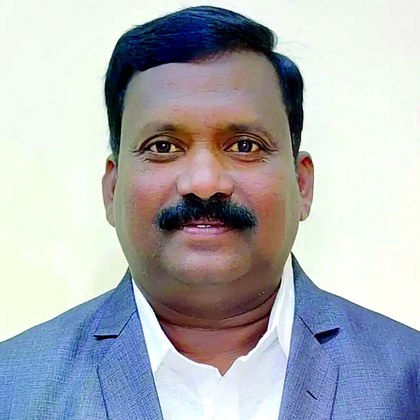
Sri Polakati Ramakrishna
General Secretary
It was his proposal - to form a separate body of MALA Gazetted Officers to safeguard dignity and mutual respect - that gave rise to MALGOA. He continues to serve the Association as its General Secretary.
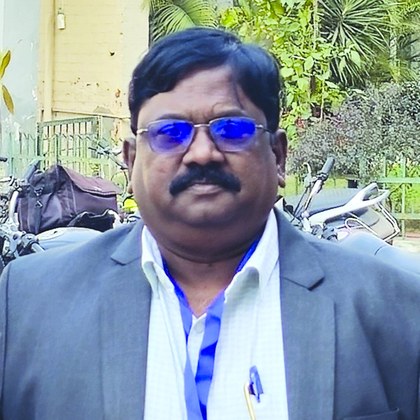
Sri Jangam Vijayanand
President
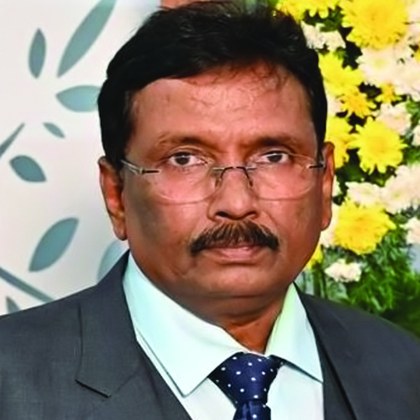
Sri Ullaji Ramesh
Associate President
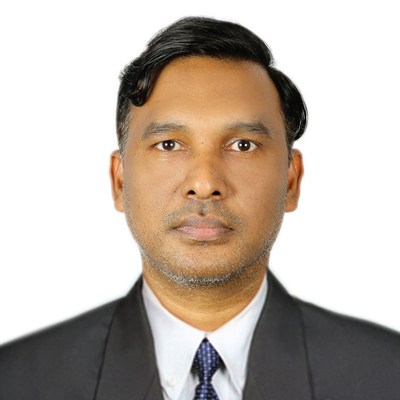
Sri Beera Suresh
Vice-President
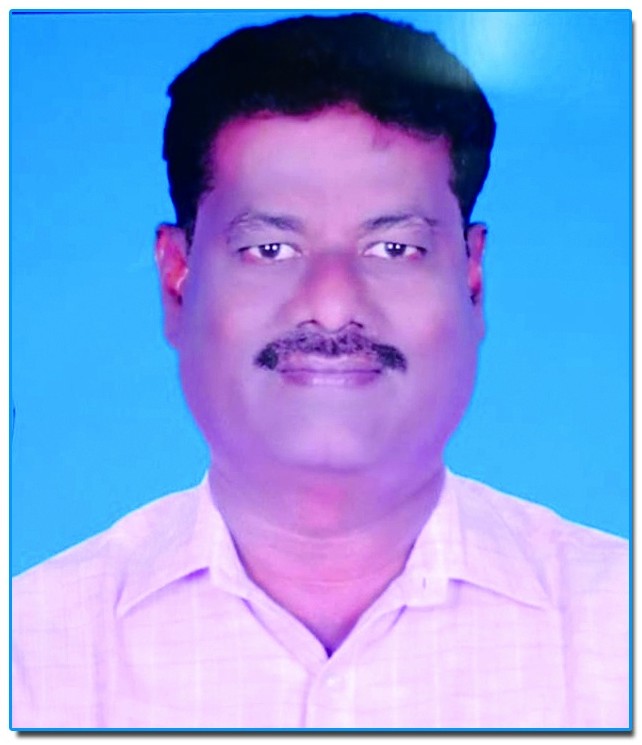
Sri B. Sankarayya
Vice-President
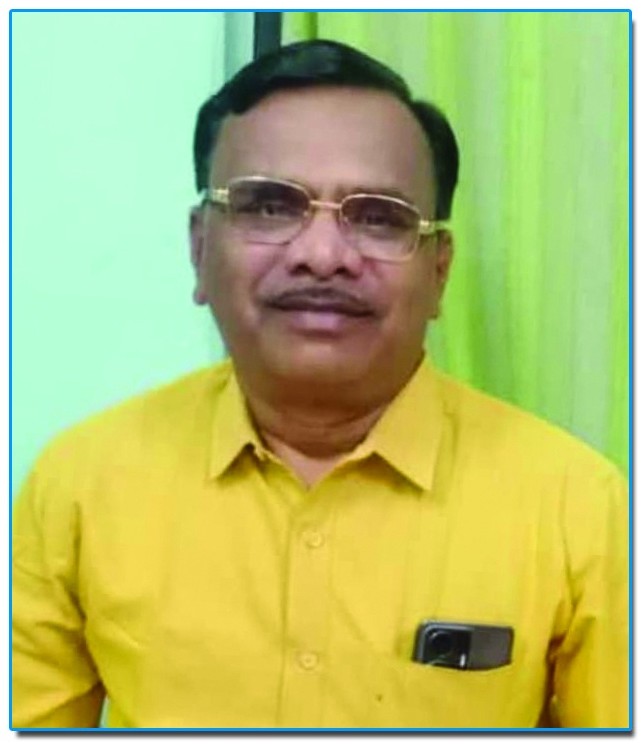
Sri G. Nagaraju
Vice-President
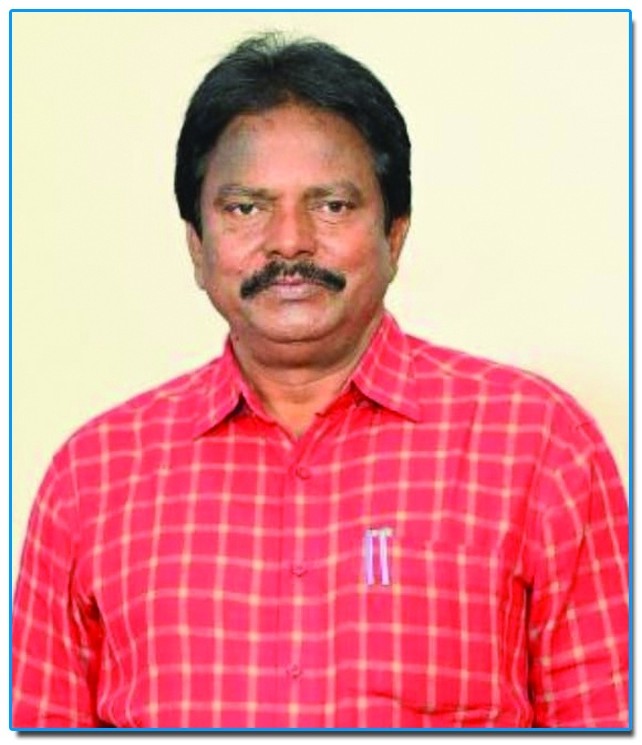
Sri H.D. Veeranna
Additional General Secretary
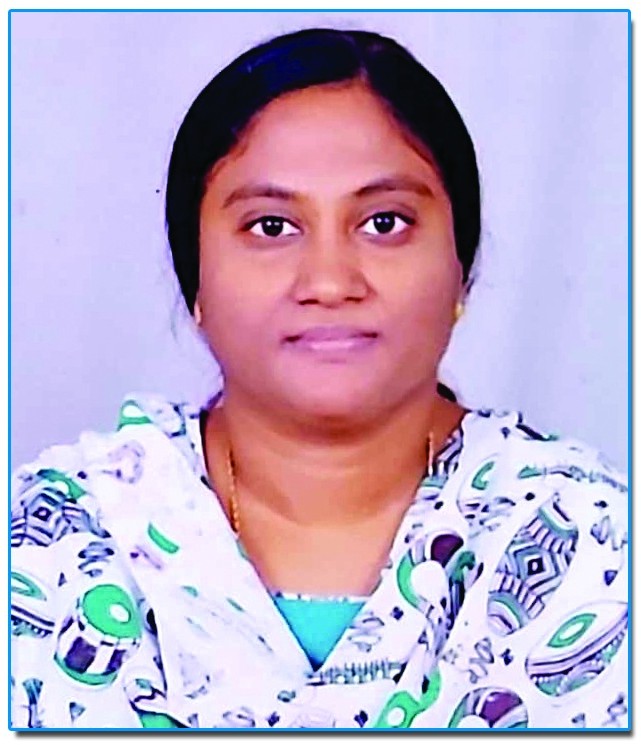
Smt. Gummadi Surekha
Women Secretary
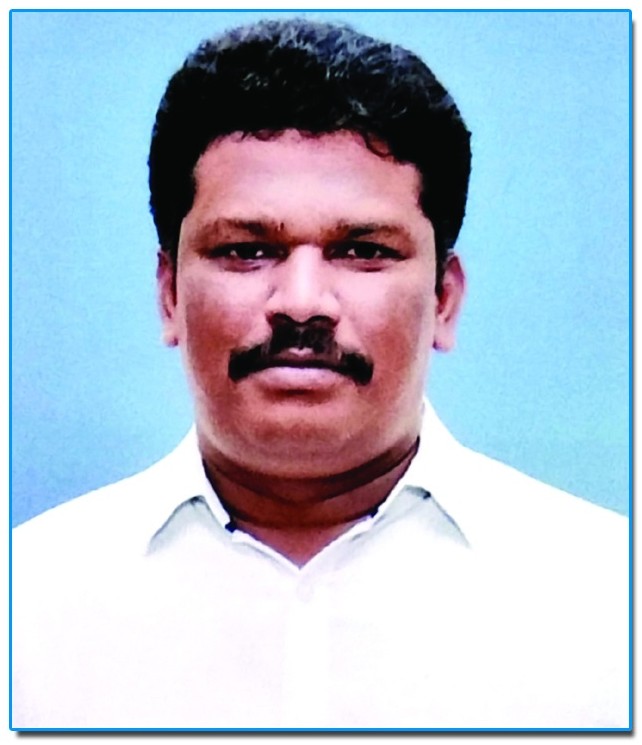
Sri Y. Suresh
Secretary
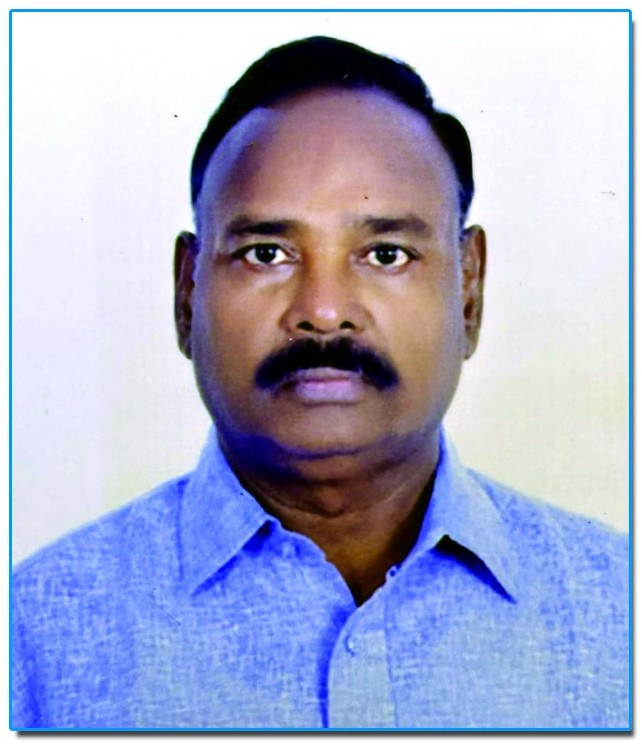
Sri A. Kannaiah
Secretary
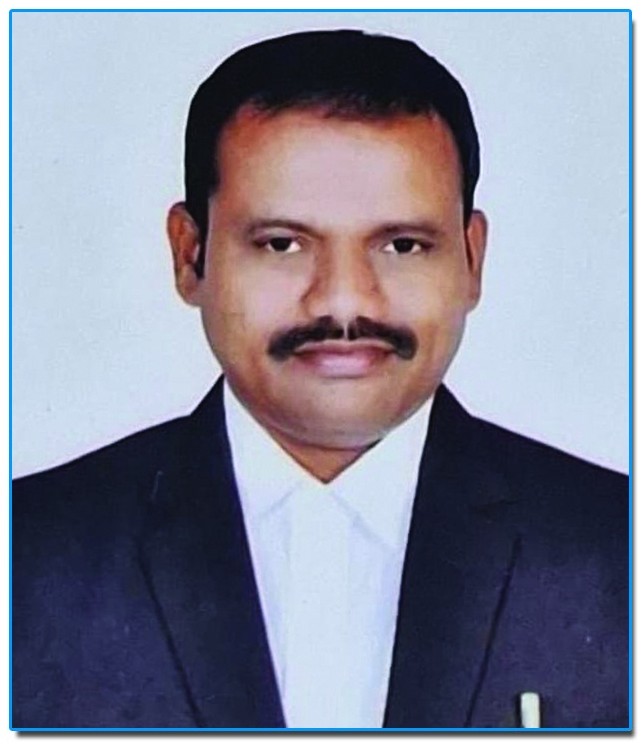
Sri Naga Muniah
Secretary
Sri S.E. Aravind
Joint Secretary
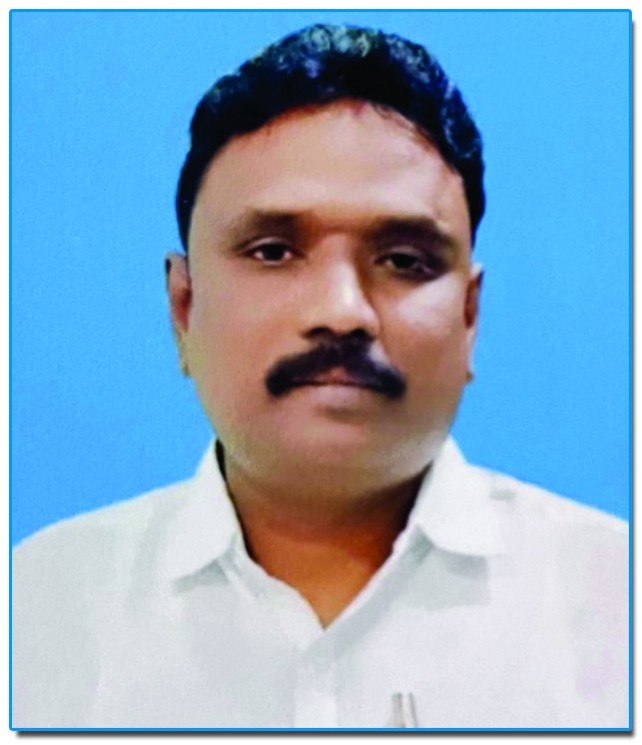
Sri S. Gurajala
Joint Secretary
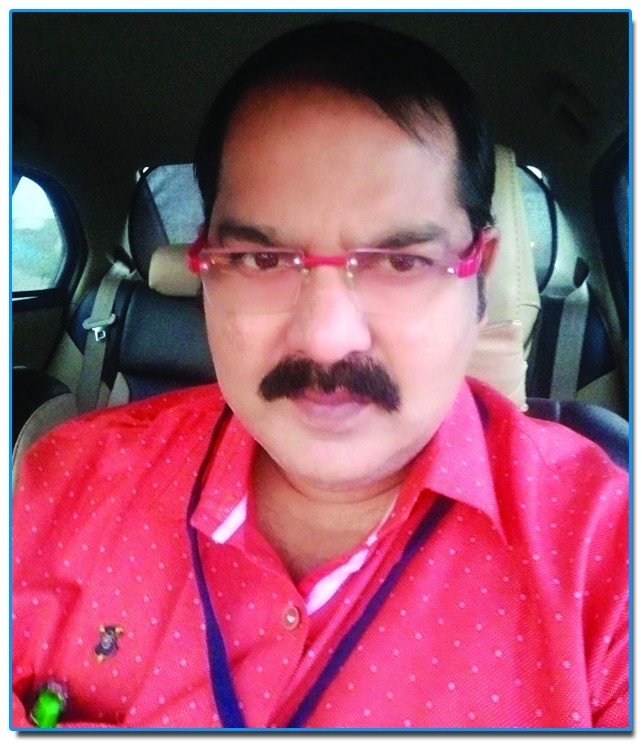
Sri K. Ramesh Babu
Joint Secretary
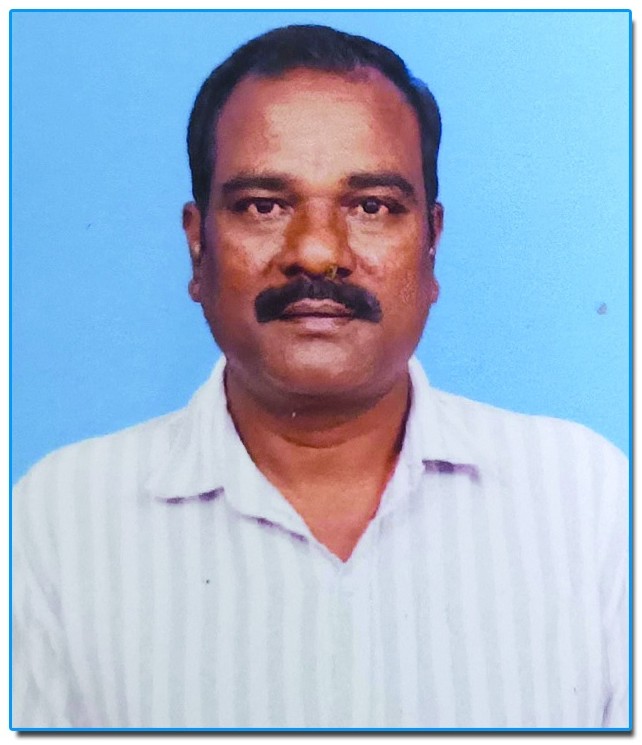
Sri G.V. Satyanayana
Joint Secretary
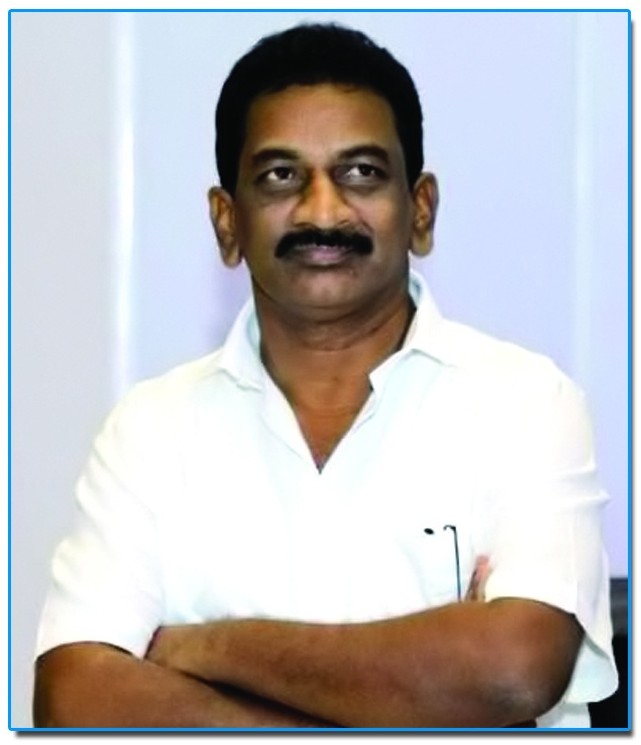
Sri Pakanati Venkateswarlu
Treasurer
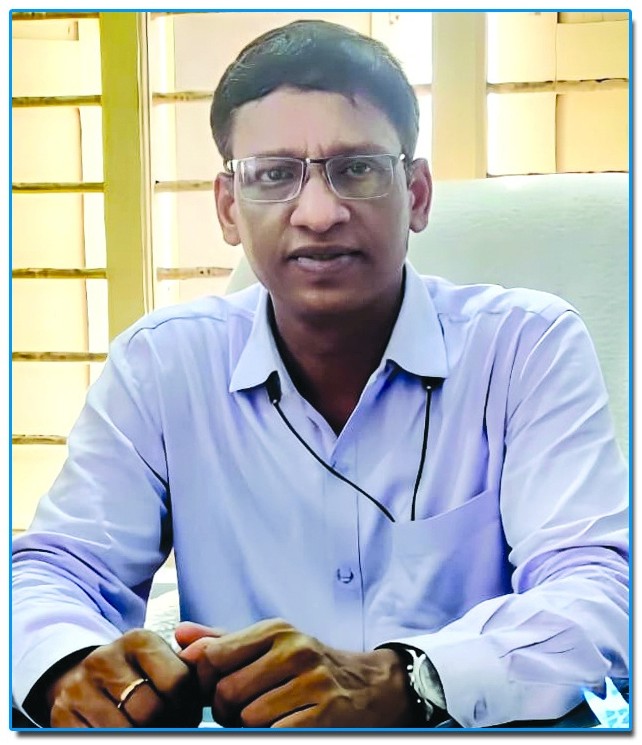
Sri Vijay Prasad
Organizing Secretary
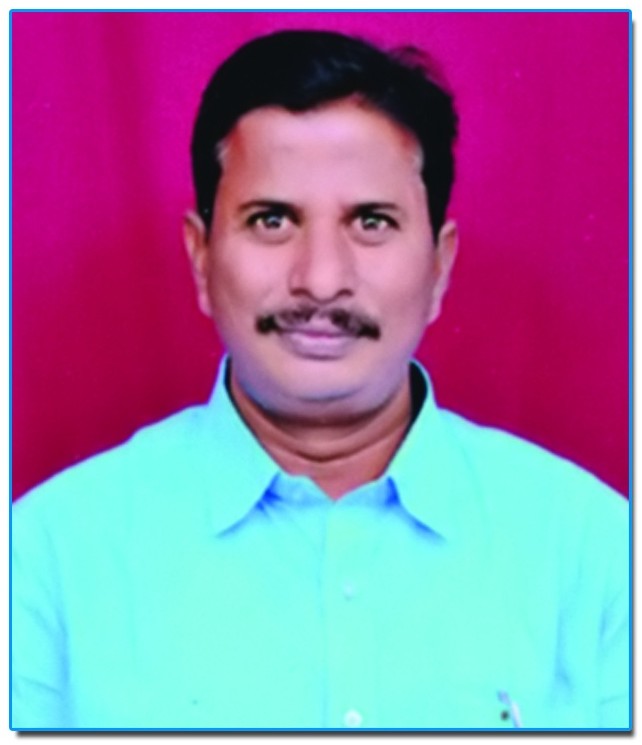
Sri K. Babji
Organizing Secretary
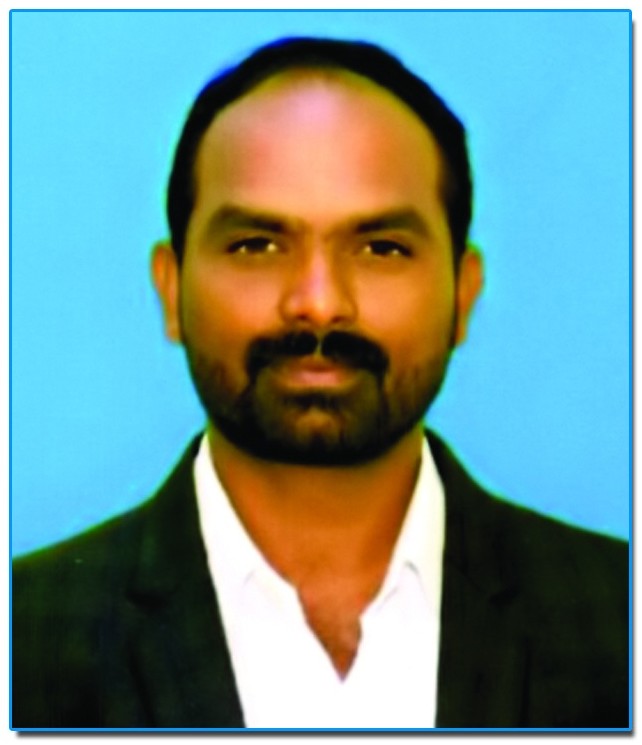
Sri Tirupataiah
Organizing Secretary
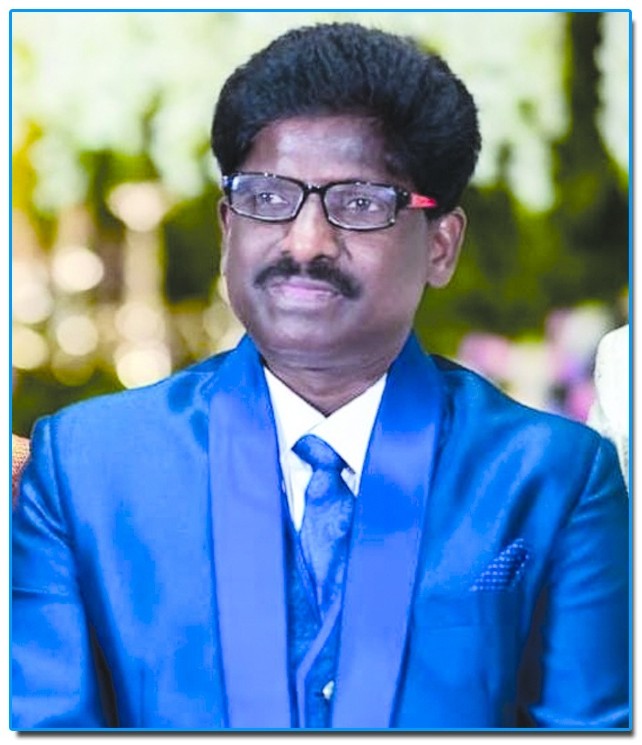
Sri Leela Mohana
Organizing Secretary
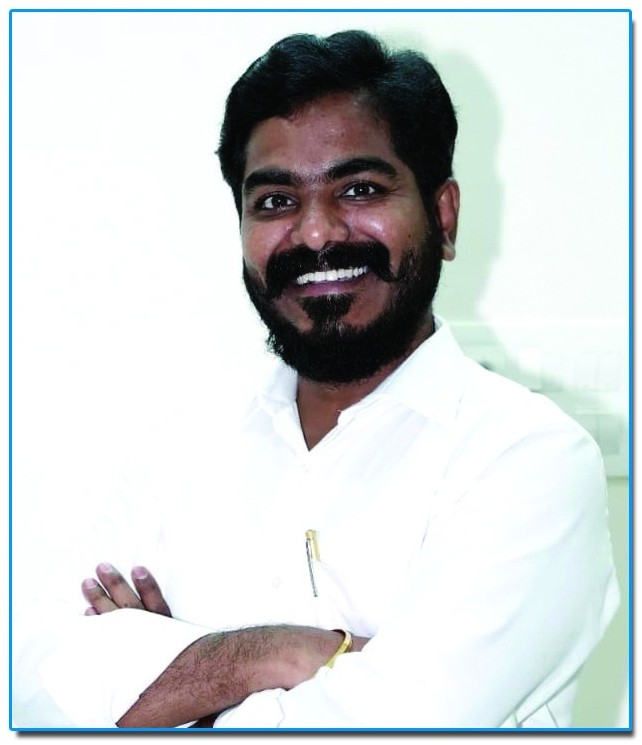
Sri B. Kiran
Organizing Secretary
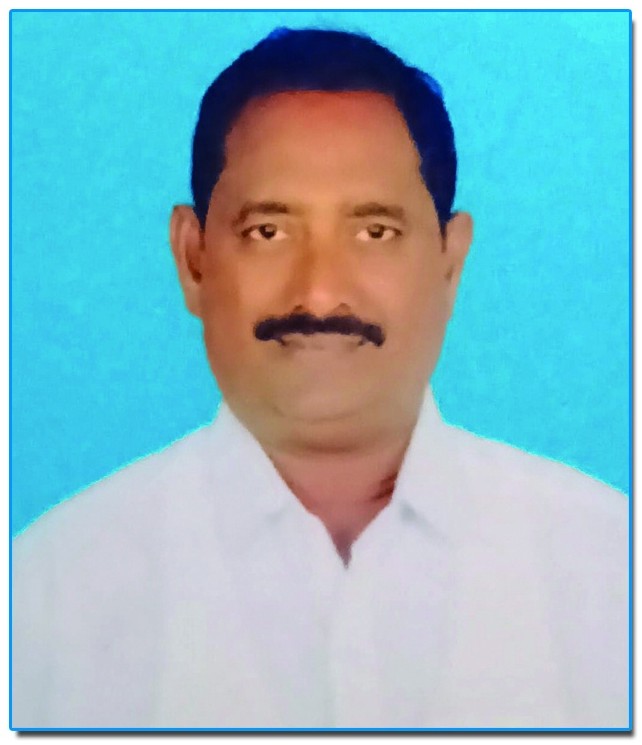
Sri G. Srinivasa Rao
Organizing Secretary
Working President
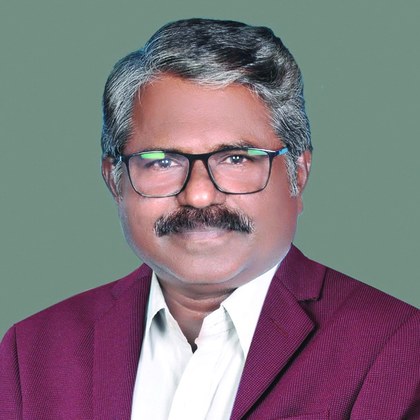
Sri B. Ratna Prasad
Working President
Operational Charter
Our Objectives
The strategic mandate of MALGOA - to Realise and Re-innovate - translates into a defined set of operational objectives that guide every initiative, deliberation and intervention undertaken by the State Body and its members across Andhra Pradesh.
Constitutional Advocacy
To uphold the constitutional rights, statutory entitlements and equitable representation of Mala officers across every department, board and forum of the Government of Andhra Pradesh.
Grievance Redressal
To establish a structured, confidential and time-bound mechanism for receiving, examining and addressing service-related grievances, vigilance matters and instances of discrimination faced by members.
Professional Development
To curate workshops, policy roundtables, leadership symposia and continuing-education programmes that sharpen administrative competence and accelerate professional progression for members at every grade.
Intergenerational Mentorship
To formalise structured mentorship between senior retired officers, mid-career professionals and emerging entrants - ensuring institutional wisdom is transferred deliberately, not lost to time.
Policy Engagement
To engage substantively with State-level policy formulation, legislative deliberations and administrative reforms - ensuring the lived realities and considered perspectives of the Mala community shape decisions that affect it.
Network & Solidarity
To build an enduring inter-district, inter-departmental network of Mala officials, public representatives, academicians and consultants - converting individual standing into collective institutional strength.
Documentation & Archive
To compile, preserve and publish the historical record of the Mala community in Andhra Pradesh - service histories, policy contributions, scholarly works and oral testimonies - as a permanent institutional archive.
Community Outreach
To extend the institutional standing of MALGOA's members in service of the broader Mala community - through scholarship support, civic awareness initiatives and direct engagement with grassroots concerns.
Recognition & Dignity
To publicly recognise distinguished service, scholarship and leadership within the community - restoring and reinforcing professional dignity that has too often been overlooked in mainstream forums.
In Solidarity
Patrons & Well-Wishers
MALGOA draws moral, intellectual and institutional support from a distinguished circle of patrons, statutory office bearers and public-policy leaders whose lifetimes of service inform and strengthen the association's constitutional mission
Members of Parliament
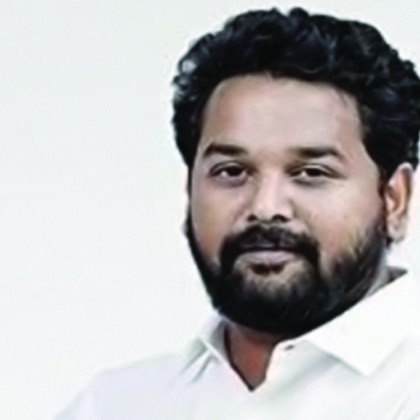
Sri G.M. Harish Balayogi
Hon'ble MP, Amalapuram
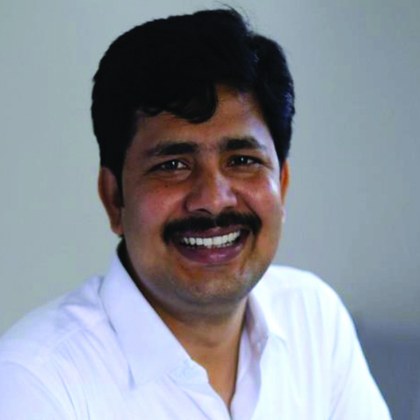
Dr. Maddila Gurumoorthy
Hon'ble MP, Tirupati
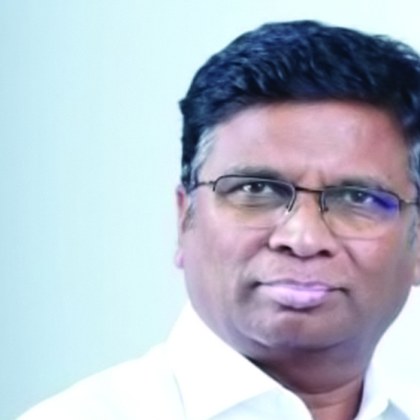
Sri D. Prasada Rao
Hon'ble MP, Chittoor
Members of the Legislative Assembly
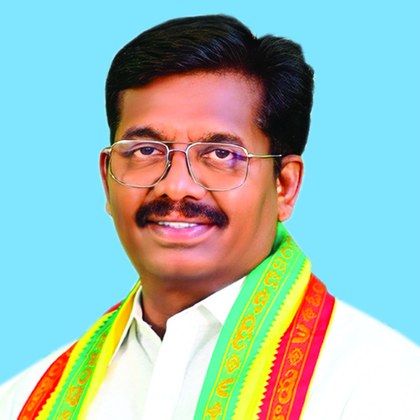
Sri A. Ananda Rao
Hon'ble MLA, Amalapuram
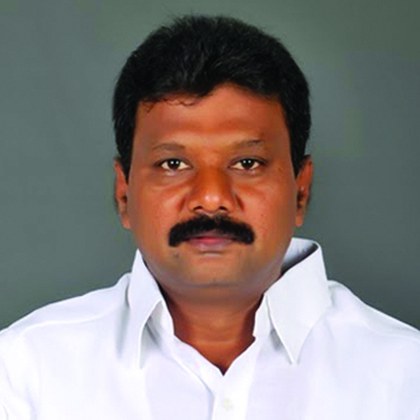
Sri Tenali Sravan Kumar
Hon'ble MLA, Tadikonda
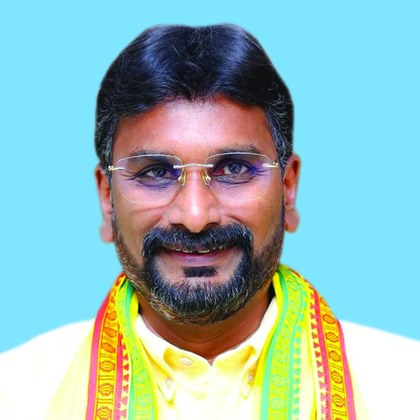
Sri Kondru Murali Mohan
Hon'ble MLA, Rajam
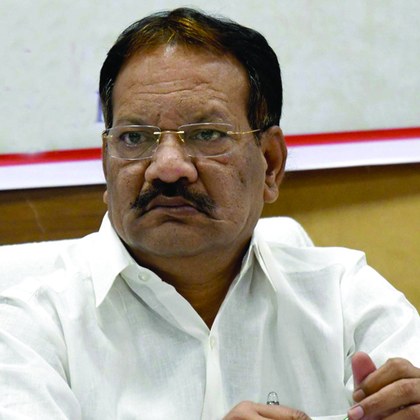
Sri Nakka Ananda Babu
Hon'ble MLA, Vemuru
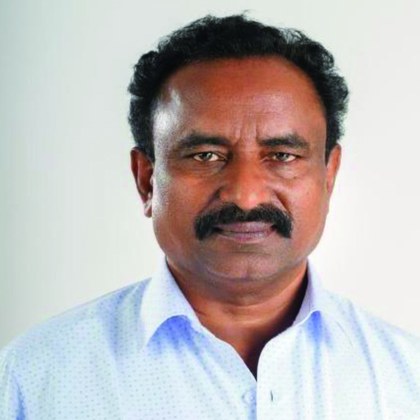
Sri G. Satya Narayana
Hon'ble MLA, P. Gannavaram
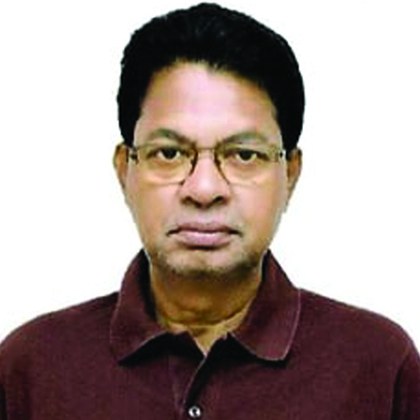
Sri Deva Varaprasad
Hon'ble MLA, Razole
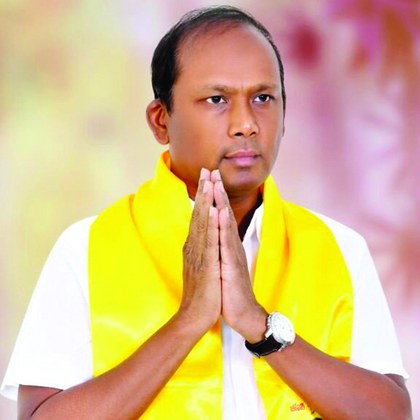
Sri B.N. Vijay Kumar
Hon'ble MLA, Santhanuthalapadu
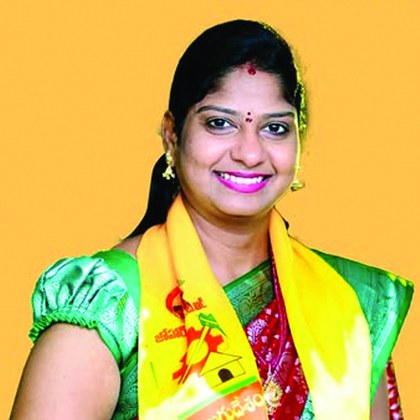
Dr. Nelavala Vijayasree
Hon'ble MLA, Sullurupeta
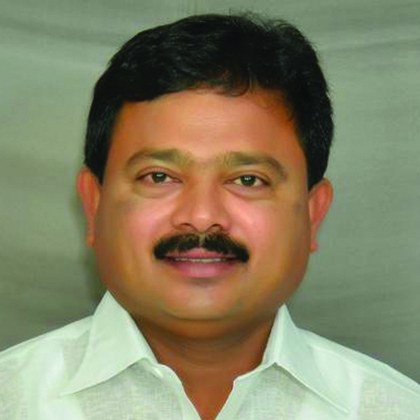
Sri Pasam Sunil Kumar
Hon'ble MLA, Gudur
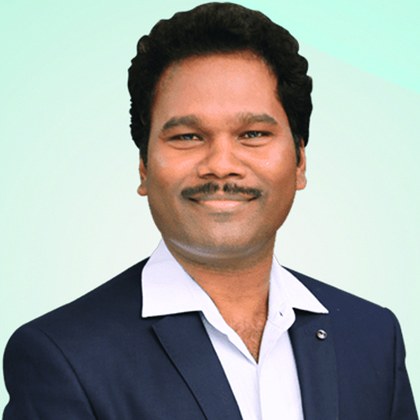
Dr. V.M. Thomas
Hon'ble MLA, Gangadhara Nellore
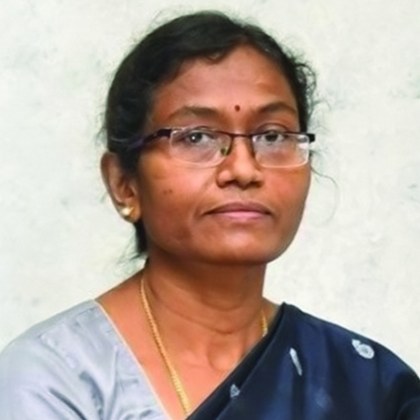
Dr. D. Sudha
Hon'ble MLA, Badvel
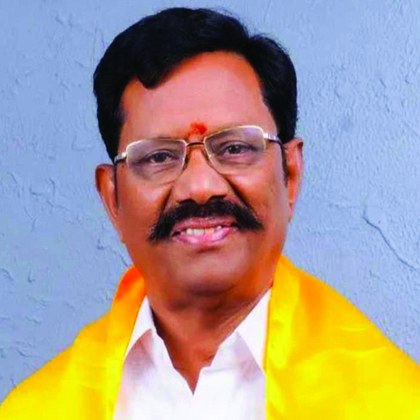
Sri K. Adimulam
Hon'ble MLA, Satyavedu
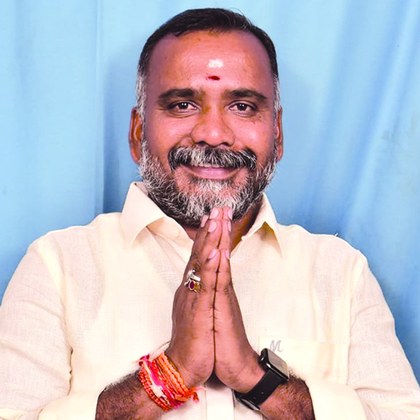
Sri K. Murali Mohan
Hon'ble MLA, Puthalapattu
Statutory Office Bearers
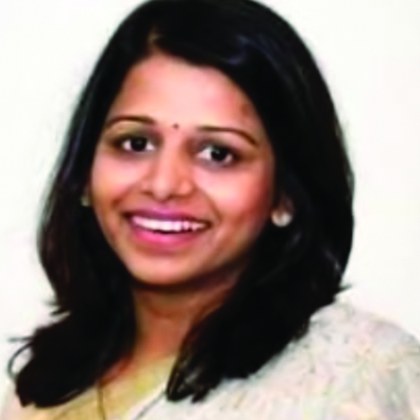
Smt. Kavali Greeshma Prasad
Chairperson, Women's Co-op Finance Corp.
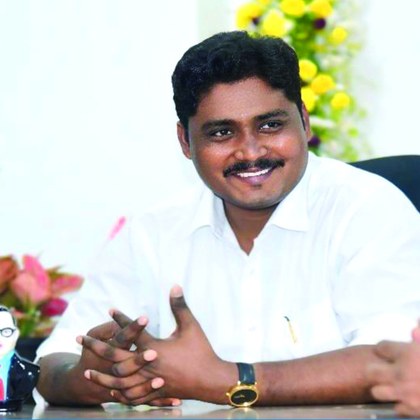
Dr. P. Vijay Kumar
Chairman, Mala Welfare Co-op Finance Corp.
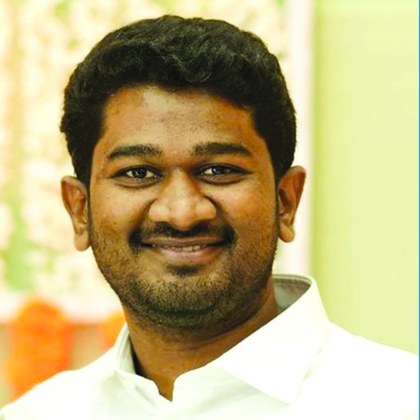
Dr. P. Gowtham
Member, SC Commission - Vijayawada
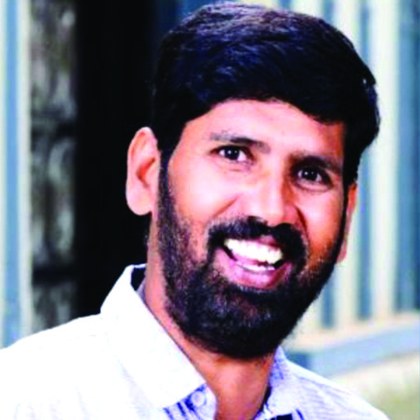
Sri Babu Sripathi
Member, SC Commission - Sullurupeta
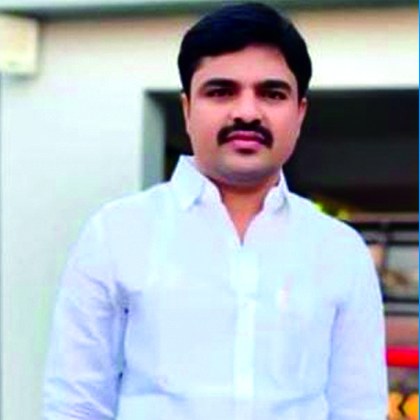
Sri R. Seetharam
Member, SC Commission - Palakonda
Intergenerational Synergy
Our Theory of Change
Connecting three generations for a common, equitable, and greater future for all
The Veterans
Wisdom & Heritage
Our senior officers provide the foundational bedrock of MALGOA. They bring decades of administrative experience, institutional memory, and the steady resilience required to navigate complex challenges. Their guidance ensures that our organizational roots remain deeply grounded in our core principles and historical legacy
The Core
Strategy & Execution
Serving as the vital bridge between heritage and innovation, this generation translates vision into actionable strategy. With a deep understanding of both traditional governance and modern operational frameworks, they drive the day-to-day execution of MALGOA's objectives, ensuring our mandate is realised efficiently and effectively
The Vanguard
Innovation & Continuity
Our newest officers represent the future and sustainability of the association. As digital natives equipped with fresh perspectives and contemporary technological fluency, they bring the disruptive energy necessary to evolve our advocacy. Their integration ensures MALGOA remains a dynamic, forward-looking force for decades to come
Select a generation above, or watch how the three streams converge
The Veterans - institutional memory & resilience
The Core - vision turned into strategy
The Vanguard - fresh energy & continuity
The Unified Outcome
Experience + Execution + Innovation = Systemic Equality
When the steadfast guidance of our elders merges with the strategic drive of millennials and the dynamic energy of Gen Z, MALGOA transforms from a protective collective into a proactive engine for systemic change. This is how we secure a common, greater future - leaving no officer behind, regardless of age or tenure
Our Mandate
Realise & Re-innovate
Our strategic mandate is deliberately spare. Two verbs, taken seriously, anchor everything MALGOA undertakes - from grievance redressal to policy engagement, from intergenerational mentorship to community outreach.
Realise
To realise, with clarity and conviction, the foundational mandate for which MALGOA was created - recognising the lived challenges faced by Mala officers in service, vigilance, representation and dignity, and acknowledging them not as isolated incidents but as a structural reality that demands a structural response.
Realisation is the first act of institutional courage: to see clearly, to name accurately, and to commit publicly. MALGOA realises the constitutional vision of Dr. B.R. Ambedkar - that dignity is not negotiable, equality is not partial, and representation is not optional.
Re-innovate
To re-innovate the instruments of collective advocacy - modernising how the Mala community organises, communicates and influences in an era of digital governance, evolving administrative frameworks and changing constitutional jurisprudence on sub-classification.
Re-innovation is the discipline of reimagining without abandoning: honouring the moral foundation laid by our forebears while equipping the next generation with new tools, new platforms and new strategies fit for the decades ahead.
Archive
Media & Milestones
A visual record of MALGOA's gatherings, formation meetings, and milestone events
Get in Touch
Contact Us
Reach out to MALGOA for membership enquiries, event information, or any other questions
Get in Touch
Address
Tadepalli, Guntur District,
Andhra Pradesh - 522 501
Phone
+91 94409 03543
Map - Tadepalli, Guntur